
Vacuum Sealing
Vacuum sealer bags and rolls: compatibility checklist
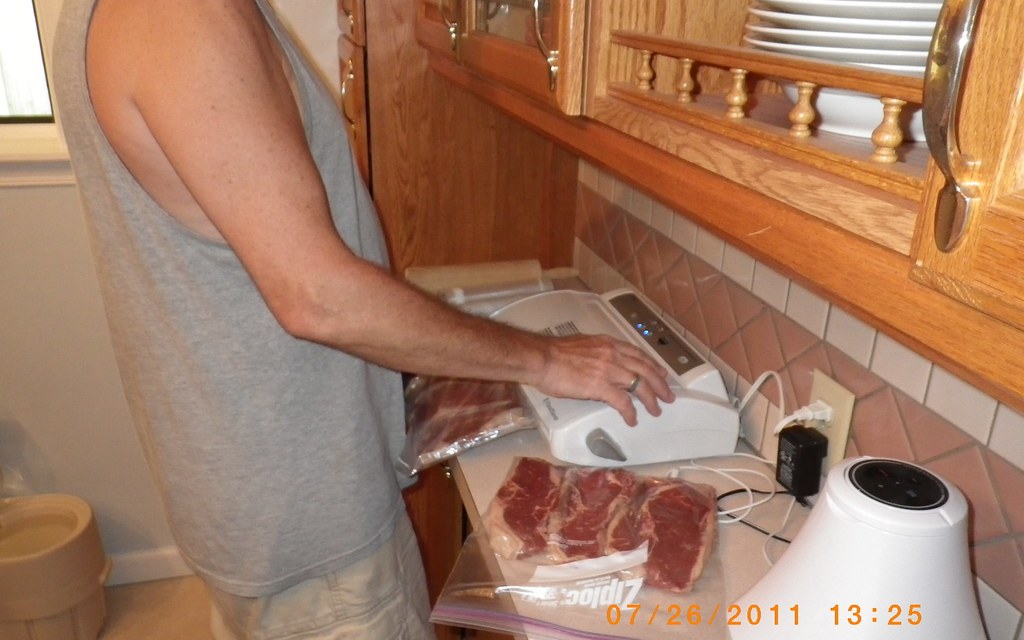
Use the checklist before shopping and again after one week of real use. It focuses on removing air from freezer portions without turning weeknight cooking into a packaging project.
Frost Register may earn a commission from future retailer links. Editorial criteria and conclusions remain independent.
Editorial verdict
Vacuum sealer bags and rolls: compatibility checklist is a purchase decision about routine, not just a neat-looking storage photo. The product has to fit the exact cold zone, stay readable or reachable when the appliance is full, and still feel worth using after the first reset. Use the checklist before shopping and again after one week of real use.
For this category, the central job is removing air from freezer portions without turning weeknight cooking into a packaging project. That means the best choice is usually the one that removes a repeated household problem with the least new cleaning, labeling or refill burden.
A realistic use case
Picture a week with groceries arriving, leftovers cooling, and one person trying to find dinner without unpacking the whole freezer or refrigerator. A useful product keeps the next action obvious: what the food is, when it was packed, where it belongs, and whether it should be used soon.
The wrong purchase creates bags that seal once but are too expensive or awkward to keep using. This is why Frost Register starts with the appliance zone and the household habit before comparing product features.
Buying standards that change the decision
- Bag Width And Roll Compatibility. Check this before price, because it decides whether the item works in the real shelf, drawer or batch routine.
- Moisture Mode. Check this before price, because it decides whether the item works in the real shelf, drawer or batch routine.
- Gasket Replacement. Check this before price, because it decides whether the item works in the real shelf, drawer or batch routine.
- Counter Storage. Check this before price, because it decides whether the item works in the real shelf, drawer or batch routine.
- Cycle Time. Check this before price, because it decides whether the item works in the real shelf, drawer or batch routine.
- Consumable Cost. Check this before price, because it decides whether the item works in the real shelf, drawer or batch routine.
These checks are deliberately practical. A product that wins on price but fails on fit, cleaning or refills often costs more because the household stops using it and buys a second solution.
Best-fit categories
Instead of naming one universal winner, group options by storage routine. Small apartments usually need fewer pieces and tighter measurements. Family meal prep needs repeat sizes and labels that can be read quickly. Bulk shoppers need lift-out access, date control and a way to rotate older food forward.
- Countertop Vacuum Sealer: best for households where the main constraint is bag width and roll compatibility and where replacement or cleaning can be handled weekly.
- Handheld Sealer: best for households where the main constraint is moisture mode and where replacement or cleaning can be handled weekly.
- Pre-Cut Vacuum Bags: best for households where the main constraint is gasket replacement and where replacement or cleaning can be handled weekly.
- Roll Bags: best for households where the main constraint is counter storage and where replacement or cleaning can be handled weekly.
- Accessory Hose Containers: best for households where the main constraint is cycle time and where replacement or cleaning can be handled weekly.
If the article title includes “best,” this is the recommendation logic: best for the measured zone, best for the repeated food type, best for cleaning tolerance, and best for replacement path. That is more useful than a ranked list that ignores freezer type or refrigerator layout.
Common failure cases
The most common error is buying a system before measuring the appliance. The second is choosing containers, baskets or bags because they look tidy when empty. The third is ignoring labels, refills or cleaning. Those small details decide whether the system survives a busy month.
Another avoidable mistake is mixing too many sizes. Cold storage works better when the household repeats a few dependable formats. Too many shapes create dead space, lost lids and stacks that have to be rebuilt every time food is removed.
Compatibility and safety limits
Cold-storage products do not replace safe food handling. Check appliance temperatures, cooling times and storage guidance with official sources when safety is part of the decision. For storage-time context, compare household routines with FoodSafety.gov cold storage charts, USDA FSIS freezing and food safety guidance and UK FSA chill, freeze and defrost guidance.
Also check product instructions. Some plastics, seals, labels and accessories are not intended for high heat, dishwashers, direct freezer contact or repeated scraping. The right limit is the one printed for the exact product, not a generic category promise.

Editorial test notes for this guide
For Vacuum sealer bags and rolls: compatibility checklist, the most useful field test is to run one dry-food test and one slightly damp-food test before deciding where the sealer belongs on the counter. That test sounds small, but it reveals the difference between a product that looks organized and one that keeps working after the appliance is full.
The notes worth recording are bag size, seal width, failed seals, cool-down time, and the price of the next roll. Frost Register treats these as buying evidence because they affect use after the purchase, not just the unboxing impression. If two products are close in price, the one with clearer replacement parts, easier cleaning and better visibility usually wins.
A realistic example: a household freezing chicken portions after a grocery trip needs a different setup from someone resealing crackers or cheese twice a week. This is why the guide does not recommend a single universal setup. It pushes readers to match the purchase to the appliance zone, the food being stored and the person who will update labels or clean the parts later.
Update and replacement plan
Before checkout, decide what will happen in three months. If a lid cracks, a label roll runs out, a gasket wears down, a thermometer battery dies or a basket becomes too heavy, the storage system needs an obvious recovery path. Products without refills, replacement parts or a simple cleaning route score lower even when they look tidy on day one.
For households comparing several options, write down one sentence after the first week of use: what became easier, what became slower and what food was still hard to find. That note is more reliable than a product listing because it captures the real freezer or refrigerator routine.
Related Frost Register routes
Use this guide with adjacent Frost Register routes when the decision touches another category. A container choice may require a label system. A freezer basket may need an inventory note. A vacuum sealer may change the bags and storage shape that fit the drawer.
Questions readers ask
Should I buy the biggest set?
Usually no. Buy the smallest repeatable system that fits the measured zone and the meals or ingredients you store most often.
What should I measure first?
Measure usable width, depth, drawer height, door clearance and the space needed to lift or slide the item while it is full.
What matters after price?
For this topic, bag width and roll compatibility, moisture mode and gasket replacement usually matter more than a small discount.
When should I skip it?
Skip it if it adds cleaning work, hides food, blocks airflow or depends on refills that are hard to replace.