
Food storage
Food Storage without cold-storage guesswork.
Food-storage purchases fail when sets are chosen by count instead of routine. This shelf compares materials, lids, stacking height and cleaning effort.
Use this route when lids, leftovers, silicone bags or container sizes are the bottleneck.
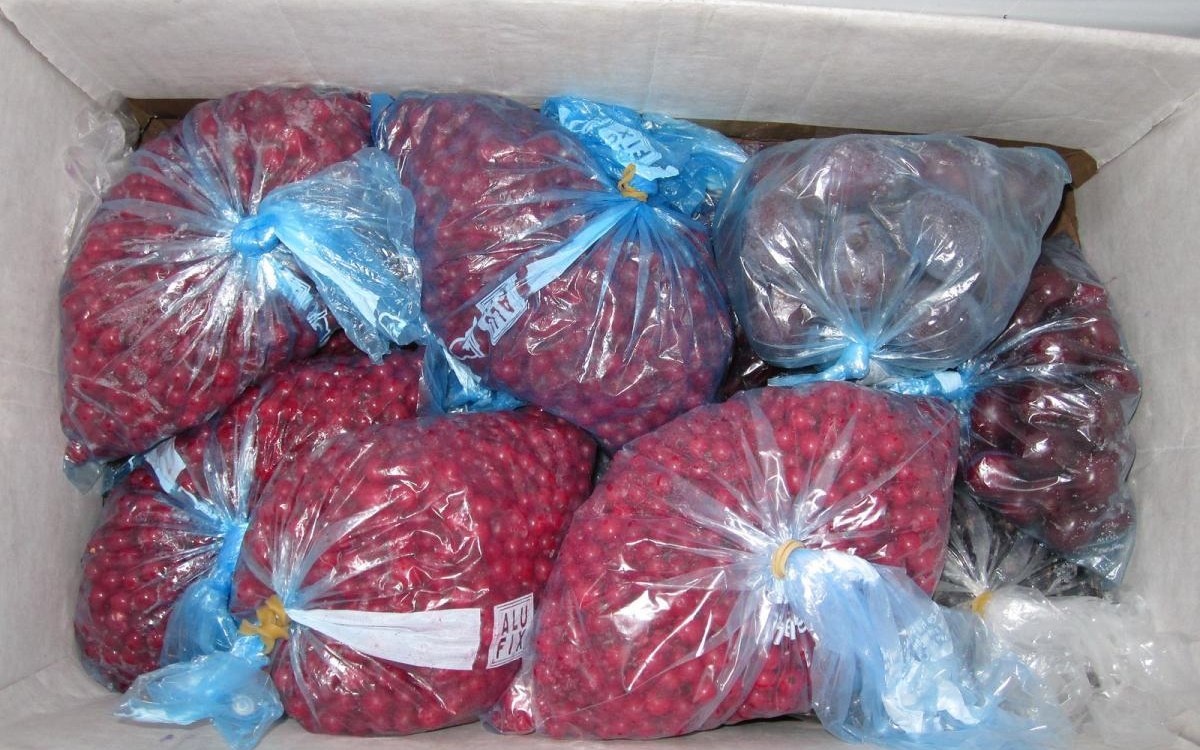
Decision route
Start with fit, visibility, sealing, labeling, cleaning or maintenance. Then open the narrow guide that matches that failure point.
Register checklist
- Measure the shelf, drawer or basket before looking at listings.
- Decide how labels and dates will be updated.
- Check whether refills or replacement parts are easy to buy.
- Prefer visibility and cleaning access over a styled photo.
What we avoid
We do not recommend decorative organization products unless they make food easier to find, date, clean or replace.
Guides in this shelf
Open the guide that matches the storage job.
Freezer-safe materials explained
Freezer-safe materials explained gives cold-storage buying criteria around fit, lids, stacking, cleaning and replacement parts so readers can improve everyday freezer and fridge routines.
Best storage ideas for leftovers without clutter
Best storage ideas for leftovers without clutter gives cold-storage buying criteria around fit, lids, stacking, cleaning and replacement parts so readers can improve everyday freezer and fridge routines.

Food storage lids and seal quality: what actually matters
Food storage lids and seal quality: what actually matters gives cold-storage buying criteria around fit, lids, stacking, cleaning and replacement parts so readers can improve everyday freezer and fridge routines.
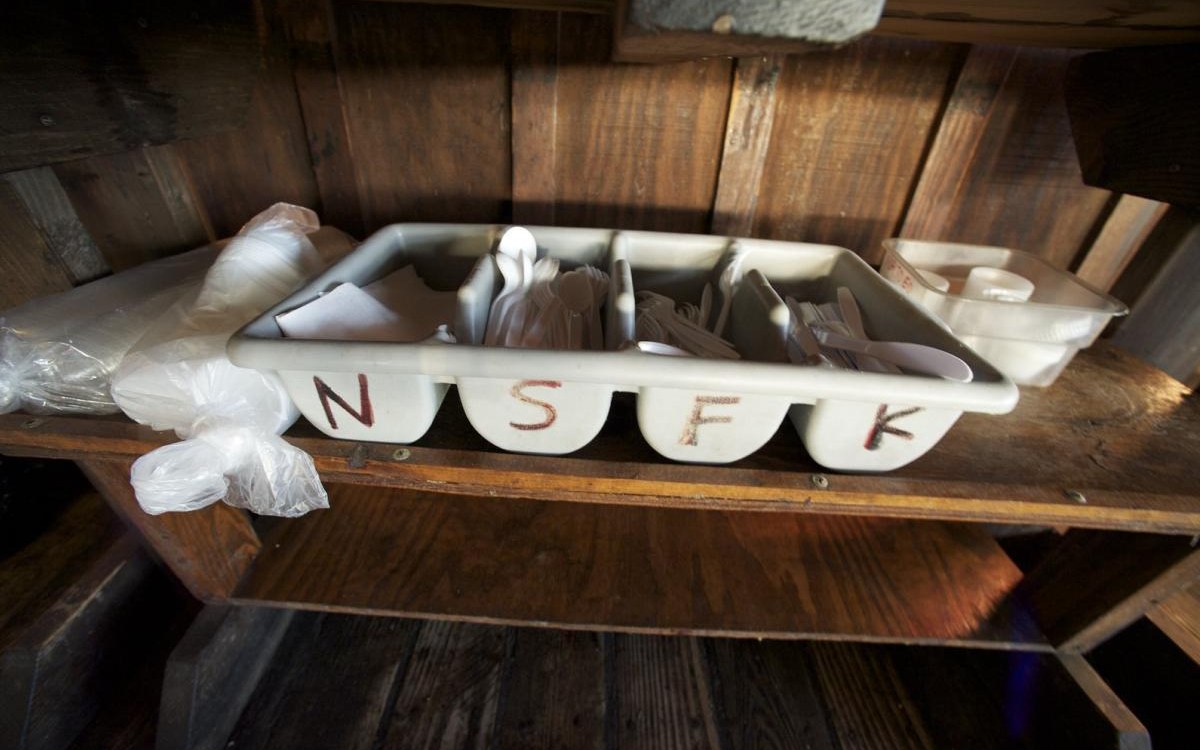
Label maker buying guide for kitchen storage
Label maker buying guide for kitchen storage shows how labels, dates and simple records keep frozen food visible, usable and easier to rotate after batch cooking.
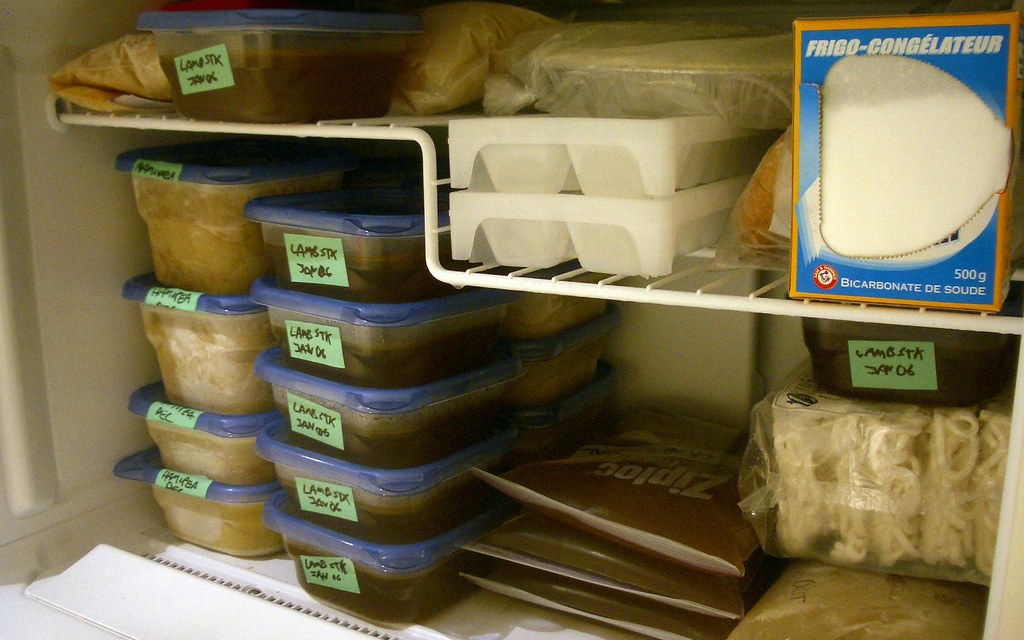
Reusable silicone freezer bags: what to check before buying
Reusable silicone freezer bags: what to check before buying gives cold-storage buying criteria around fit, lids, stacking, cleaning and replacement parts so readers can improve everyday freezer and fridge routines.

Glass vs plastic food storage containers for fridge and freezer use
Glass vs plastic food storage containers for fridge and freezer use looks at shelf fit, moisture control, visibility and cleaning access for refrigerators that need order without hiding food.
How to use this shelf
Pick one product decision, measure the real appliance zone, then compare two or three guide notes. A smaller system that gets reused is better than a large set that creates another frozen pile.
Conservative hub depth note
This hub is for readers comparing containers, lids, freezer-safe materials, reusable bags and leftover routines. The buying route starts with the food you store most often: soups, chopped vegetables, cooked portions, lunch servings or family-size leftovers. Check usable capacity, lid reliability, material limits, stack height and cleaning burden before buying a large set. A good container system should move from refrigerator to freezer to sink without creating lost lids or awkward stacks. Related guides cover glass versus plastic, lid seal quality, silicone freezer bags and freezer-safe materials. Practical note: avoid mixed sets where half the shapes do not match your meals. Two or three repeat sizes often work better.
Quick FAQ
Who should start here?
Start here if the problem matches this shelf and you need a practical route before buying another organizer, container or tool.
What should be checked first?
Measure the appliance zone, decide how labels or replacement parts will be handled, and compare related guides before purchasing a full system.