How Many Jars to Can for a Year: Simple Canning Math
How many jars to can for a year: multiply how often you eat a food each week by 52, then divide by servings per jar. Canning math for your garden and pantry.
by Joyce ·
only can what you eat
To figure out how many jars to can for a year, multiply how many times a week your household eats a food by 52, then divide by the servings in one jar. If your family opens a pint of green beans once a week, you need about 52 pints. Can only the foods your family eats, and use tested recipes from the USDA or the National Center for Home Food Preservation (NCHFP).
Rule number one: only preserve what you eatnew lids. every time.
My first big canning summer I put up two dozen jars of pickled beets. We ate four. Before you plan anything, open your grocery receipts and see what your family buys every week.
The formula
Servings per week × 52 ÷ servings per jar = jars per year
Run it once for each food on your list. Round up a little for gifts and for the jar that breaks.
A worked example: 50 pints of green beansonly can what you eat
A reader on a canning forum said she cans about 50 pints of green beans a year. That fits a family that serves a pint of beans once a week, with a couple of weeks off for holidays and travel. Here is how my own list works out:
Example: my canning list
Food
Times per week
Servings per jar
Jars per year
Green beans (pints)
1
1 meal
52
Crushed tomatoes (quarts)
1
1 meal
52
Applesauce (pints)
2
2 snacks
52
Salsa (pints)
0.5
1
26
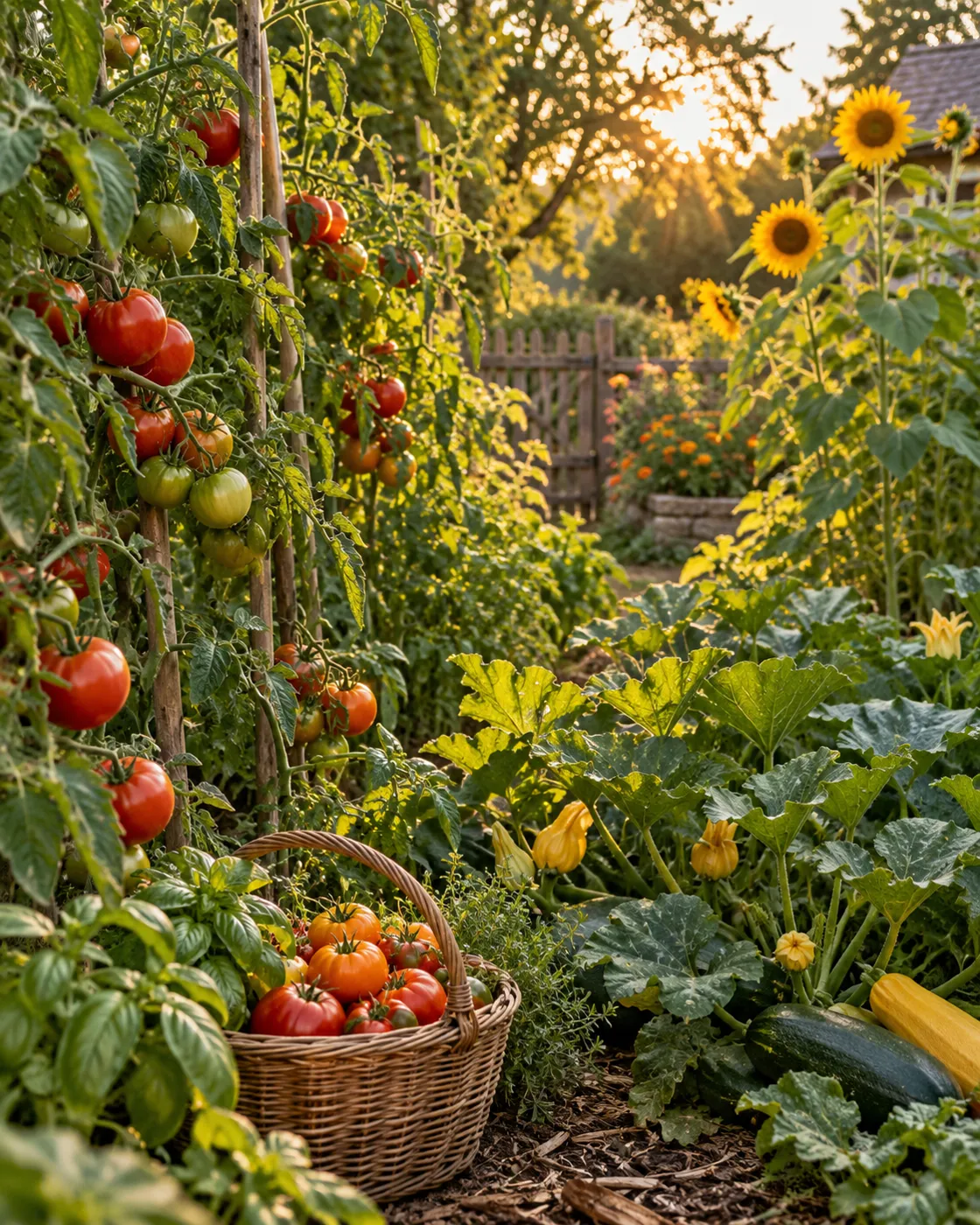
from the garden, this year
How much produce per jar
The NCHFP lists the average pounds of fresh produce per jar at the top of each tested recipe. Two I use every year:
Crushed tomatoes: an average of 2¾ pounds per quart, or 22 pounds for a canner load of 7 quarts (NCHFP).
Green beans: an average of 2 pounds per quart, or 9 pounds for a canner load of 9 pints (NCHFP).
So my 52 quarts of crushed tomatoes need about 143 pounds of fresh tomatoes. Check the recipe page for each crop you plan to can, since the yield changes with the style of pack.
Water bath vs. pressure canning
High-acid foods like fruit, jams, pickles and most tomato recipes go in a water bath canner. Low-acid foods like green beans, corn, broth and meat need a pressure canner. Oklahoma State University Extension's Home Canning Safety fact sheet (FCS-3407, September 2026) explains why: botulism spores survive boiling water, and a pressure canner is the only recommended home method that reaches the 240 to 250°F low-acid foods need. NCHFP lists no safe boiling-water option for green beans. Pick the method your tested recipe names. I'm writing a full post on water bath vs. pressure canning next.
Jars, lids and pantry space
Once you know your jar count, check three things:
Jars. You can reuse sound jars for years.
Lids. Use a new flat lid every time. The NCHFP says the sealing compound gets indented on first use and won't seal airtight again. Bands you can reuse unless they are badly rusted or bent.
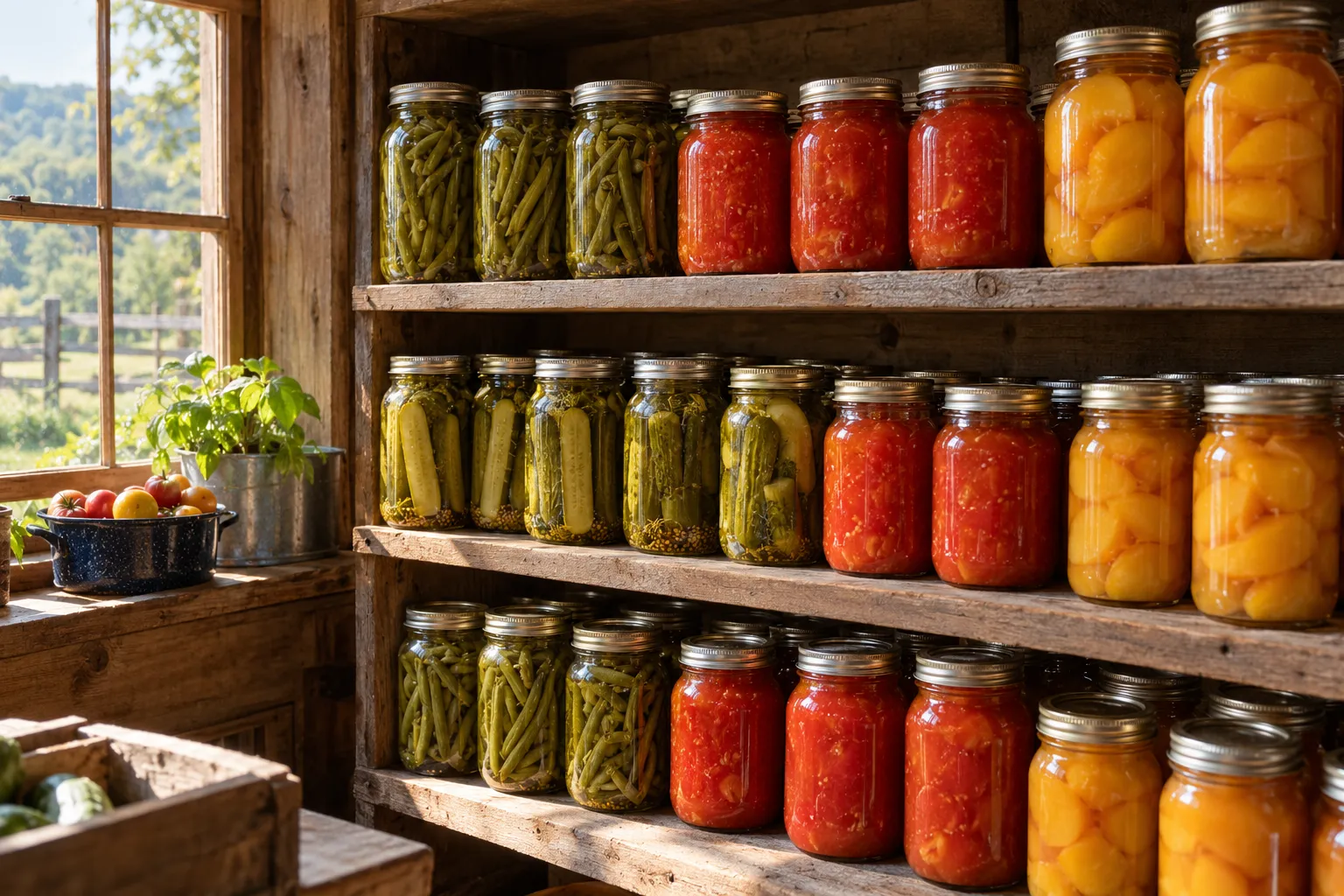
Space. Fifty quarts take up more room than most people expect, so measure your shelf before canning day. NCHFP suggests a clean, cool, dark, dry spot between 50 and 70°F, with jars stacked no more than two layers high. If shelf space runs short, my freezer pantry plan covers what I freeze instead.
Your canning plan worksheet
Print this page or copy the columns into a notebook. Look up the pounds per jar on each NCHFP recipe page.
Canning plan worksheet
Servings per week × 52 ÷ servings per jar = jars needed
Food
Times per week
Servings per jar
Jars needed
Jars on hand
Lbs fresh per jar
Lbs to grow or buy
Joyce's Backyard · frostregister.com · use tested recipes from NCHFP or USDA
Frequently asked questions
How many pounds of tomatoes make a quart?
NCHFP lists an average of 2¾ pounds per quart for crushed tomatoes and 3 pounds per quart for whole or halved tomatoes. Check the recipe page for the style you can.
Should a family of four can in pints or quarts?
Quarts usually fit a family of four for vegetables and tomatoes. Pints work better for salsa, jam and side dishes.
How long do home-canned goods last?
The NCHFP says properly canned food stored in a cool, dry place keeps its best eating quality for at least a year, and advises canning no more than you will use within a year. Throw out any jar with a bulging lid, a broken seal or an off smell.
Can I reuse canning lids?
Reuse jars and bands, but use new flat lids every time. NCHFP says a used lid's sealing compound won't seal airtight a second time.